Electric vehicle (EV) stocks have been a major focus for investors in recent years, and none spark more debate than Tesla (TSLA). Once the clear leader of the EV revolution, Tesla is now facing tougher competition, slimmer margins, and higher costs, even as its sales hit new records.
During its Q3 2025 earnings call, CEO Elon Musk said Tesla is at a “critical inflection point” as the company shifts its focus from electric cars to real-world artificial intelligence (AI), autonomy, and robotics. Tesla’s vision is bold, turning every car into a platform for self-driving and future robotaxi services, but the path ahead is uncertain. While revenue jumped to record highs, profits dropped sharply, worrying some investors.
For shareholders, the big question now is clear: should they stay patient and trust Musk’s long-term AI-driven plan or cash in before the road gets bumpier? Let’s find out.
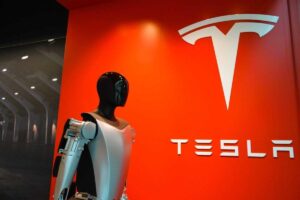
Founded in 2003, Tesla is a high-stakes innovator that builds electric cars, batteries, and energy software while pushing into autonomy and robotics. Its blend of daring vision and manufacturing scale has made it part automaker, part AI platform, and part software house. Today, Tesla boasts a market capitalization of around $1.44 trillion.
Following its Q3 earnings release, Tesla stock initially fell about 4% at the open but recovered to close down roughly 2%, as investors digested record revenue and deliveries alongside margin pressure and softer profits. Year-to-date (YTD), TSLA remains up around 13% and has surged about 61% over the past six months, rebounding from the tariff-driven selloff in April.
In terms of valuation, TSLA trades at nosebleed levels that worry almost every investor. For instance, its price-to-earnings (P/E) of 263 is considerably higher than the sector median of 18, which implies the stock is quite expensive compared to its peers.
www.barchart.com
Tesla beat revenue estimates but missed on earnings in Q3 2025. The company posted record revenue of about $28.1 billion, up 12% year-over-year (YoY), driven…
..